04 November 2026
How Storm Surges and Salt Mist Erode Coastal Roof Screws
Presented by @caidenzemv826
Homes and commercial buildings in Rockingham sit close to some of the most corrosive conditions in the Perth metropolitan area. Between Cockburn Sound, the Indian Ocean swell and the prevailing sea breezes, coastal roofs in suburbs such as Rockingham, Shoalwater, Safety Bay, Waikiki and Port Kennedy are exposed to airborne chlorides year-round. While roof sheeting often gets the attention, the humble roof screw is usually the first component to fail. Understanding how salt mist and storm surges attack fasteners helps property owners catch problems early and avoid costly leaks, sheet movement and structural damage.
Why Roof Screws Are the Weak Link on Coastal Roofs
A roof screw is a small piece of metal doing a big job. It holds sheeting to purlins or battens, resists wind uplift, and creates a watertight seal through a penetration in the roof. Each screw is also a point where different materials meet: steel or aluminium sheeting, a zinc or ceramic-coated fastener, a rubber or EPDM washer, and the timber or steel framing underneath. Where dissimilar metals and moisture combine, corrosion tends to start.
Because screws are small, they carry far less protective coating than the sheeting itself. A thin coating that is scratched during installation, or worn away by years of thermal movement, quickly exposes the base metal to salt-laden moisture.

How Salt Mist Causes Corrosion
Airborne chlorides and the marine environment
Salt mist forms when wind and breaking waves launch tiny droplets of seawater into the air. These droplets carry chloride ions, which settle on roofs and dissolve into the thin film of moisture created by morning dew, sea fog and light rain. Chlorides are highly aggressive toward metals. They break down the passive protective layers that normally form on steel and zinc, allowing corrosion to proceed far faster than it would inland.
In Rockingham, the afternoon sea breeze (the "Fremantle Doctor" and its southern equivalents) regularly pushes salt-laden air across the foreshore and into surrounding streets. Properties within a few hundred metres of the water experience the heaviest deposits, though noticeable effects can extend a kilometre or more inland depending on wind exposure and local topography.
Why the underside of the roof is often worse
Rain naturally washes salt from exposed roof surfaces. Sheltered areas such as eaves, gutters, under-lap areas, fascia lines and the underside of fastener heads do not get this cleaning effect. Salt accumulates, stays damp for longer and attacks the screw shanks and washers. This is why corrosion can be well advanced before it becomes visible from the ground.
Galvanic and crevice corrosion
Two additional mechanisms speed up fastener failure in coastal settings:
- Galvanic corrosion: When two different metals, such as a zinc-plated screw and a Colorbond or aluminium sheet, are in contact in the presence of salty moisture, the less noble metal corrodes preferentially. Chloride-rich water is an excellent electrolyte, so the reaction is quicker near the coast.
- Crevice corrosion: Tight gaps beneath screw heads and washers trap moisture and salt with limited oxygen. These conditions can cause localised pitting that is hidden from view and can weaken the fastener from the inside.
The Role of Storm Surges and Severe Weather
Storm surges are temporary rises in sea level caused by low-pressure systems and strong onshore winds. Perth's coast experiences these during winter cold fronts and occasional ex-tropical systems, and Rockingham's position on Cockburn Sound means foreshore areas can see elevated water levels and heavy wave action when winter storms line up with high tides.
Direct inundation of a roof is uncommon, but storm surge events still affect roof fasteners in several ways:
- Heavy salt spray: Large waves and gale-force winds carry far more spray inland than normal conditions, depositing a concentrated layer of salt on roofs, including areas that are normally clean.
- Wind-driven rain: Salty rain is forced sideways and upward under flashings, ridge caps and sheet laps, reaching screw heads and penetrations that are usually protected.
- Cyclic loading: Strong gusts cause sheeting to flex and lift repeatedly. This works screws loose in their holes, enlarges the penetration, and breaks down the sealing washer, giving salt water a direct path into the framing.
- Flooding of low-lying properties: Sheds, carports, patio roofs and low-pitched structures near the foreshore can be reached by wave run-up or surge water, which soaks fasteners and framing directly.
A single severe storm is rarely the sole cause of failure. More often, it exposes fasteners that were already weakened by years of salt exposure, tipping them from "marginal" to "failed".
Common Signs of Corroded Roof Screws
Early detection is the most cost-effective way to protect a coastal roof. Look for these warning signs during a safe visual inspection from the ground or from a ladder at the eaves (never walk on a roof without proper safety equipment):
- Rust streaks or orange-brown staining running down from screw heads
- White, powdery deposits (zinc corrosion products) around fasteners
- Screw heads that appear lifted, tilted or missing
- Cracked, perished or flattened sealing washers
- Rattling or noise from sheeting during windy weather
- Water stains on ceilings, particularly near external walls or roof junctions
- Sheeting that has visibly lifted or moved at the edges
Rust bleeding from a screw head is often a sign that the fastener has already lost a significant amount of its protective coating. Once the shank corrodes, the screw loses holding strength even if the head still looks intact.
Choosing the Right Fasteners for Rockingham Conditions
Understand the corrosion category
Australian Standard AS 4312 classifies atmospheric corrosivity into categories from C1 (very low) to C5 (very high) and CX (extreme). Much of the Rockingham foreshore falls into a higher category than inland Perth, and properties very close to the water may sit in the most demanding bands. Fastener selection should reflect the corrosivity category at the specific site, not just the suburb in general. Manufacturers of roofing products publish guidance on suitable fastener classes for each category.
Fastener materials to consider
- Class 3 and Class 4 coated screws: Suitable for moderate conditions but may not last in severe marine zones. Class 4 is generally the minimum for exposed coastal roofing.
- Stainless steel (grade 304): A common upgrade for near-coastal roofs, though it can still suffer in severe marine exposure.
- Stainless steel (grade 316): Marine-grade stainless offers significantly better chloride resistance and is the preferred option for properties very close to the water.
- Bi-metal screws: These combine a stainless steel upper section with a hardened carbon steel drill tip. They are widely used on coastal roofs because they resist corrosion where it counts while still drilling efficiently into steel framing.
The fastener must also be compatible with the sheeting. Mismatched metals can accelerate galvanic corrosion, so always check that screws are approved for the roofing material in use, whether that is Colorbond steel, Zincalume, aluminium or another profile.
Do not overlook washers
The sealing washer is just as important as the screw. Quality EPDM washers resist UV and ozone degradation better than cheaper rubber alternatives. In Western Australia's intense sunlight, a washer that cracks within a few years will allow salt water to reach the screw shank regardless of fastener quality.
Maintenance Practices That Extend Fastener Life
Regular care can add many years to a coastal roof. Key practices include:
- Rinse the roof periodically. Washing with fresh water every few months, particularly after storms, removes salt that rain cannot reach. Pay attention to eaves, sheltered sections and areas beneath overhangs. This is also commonly required to maintain sheeting warranties in coastal environments.
- Inspect after severe weather. After winter storms and high-wind events, check for loose, displaced or damaged fasteners and any new leaks.
- Schedule a professional inspection annually. A qualified roofer can identify early corrosion, assess washer condition and check sheeting movement that is difficult to see from the ground.
- Replace failing screws promptly. Replacing a handful of corroded fasteners is far cheaper than repairing water damage to insulation, ceilings and framing.
- Keep gutters and flashings clear. Debris holds moisture and salt against fasteners and accelerates corrosion.
- Use compatible touch-up products. Where coatings are damaged, treat the area with products recommended by the sheeting manufacturer.
When to Repair and When to Re-Fasten or Replace
If only a small number of screws show surface rust and the framing is sound, targeted replacement with correct-specification fasteners is often sufficient. Where corrosion is widespread, the original screws are typically at the same stage of deterioration, meaning more failures are likely to follow. https://privatebin.net/?78e6bffcf55fae8d#6hnHK3RXsXaSNLzg7eF8jeAmGGS9tGVnEvXfYNtaRuXM In these cases, re-fastening the entire roof with marine-grade screws and new washers is usually more economical than repeated spot repairs.
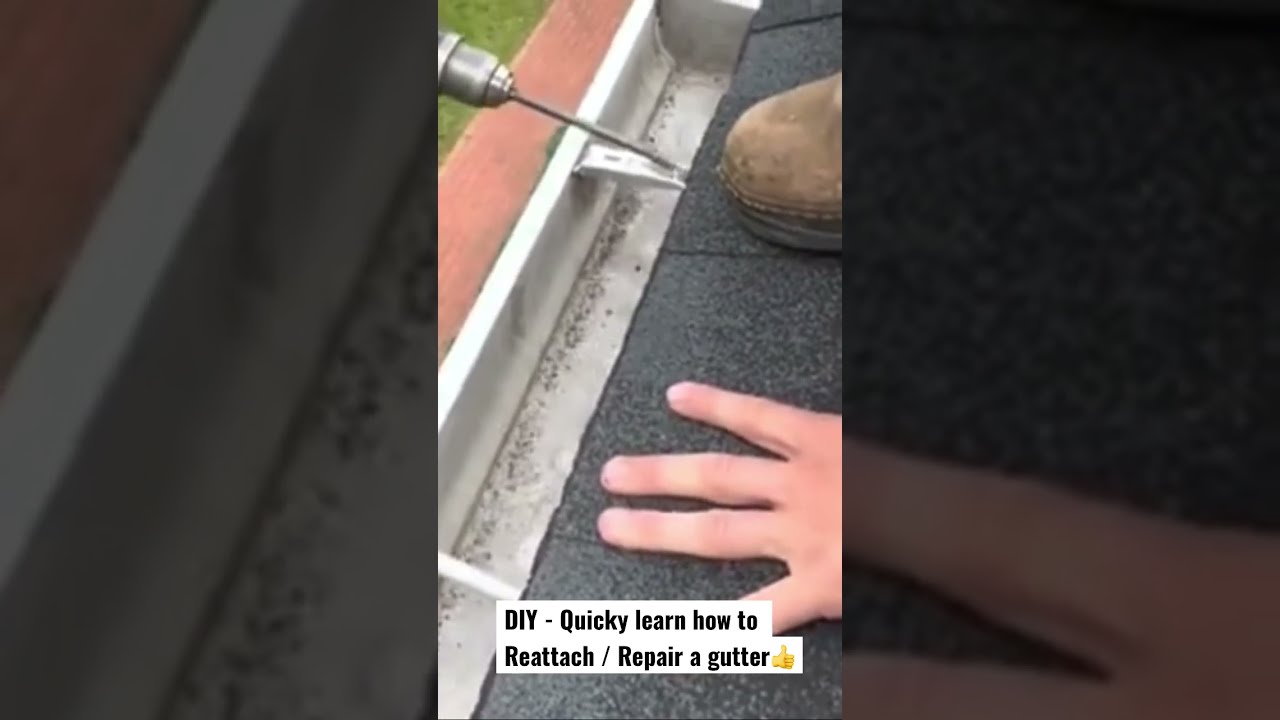
Replacement screws should not simply be driven into the old holes if those holes have become enlarged or corroded. A roofer may use slightly larger-diameter screws or relocate fasteners to fresh material, ensuring the new screw has proper grip. Where purlins or battens are damaged by rust or rot, they should be repaired or replaced to restore full pull-out resistance.
Building Standards and Wind Considerations in 2026
Western Australia's coastal building requirements continue to place importance on both corrosion resistance and wind performance. Roofs in the Perth region must be fastened to resist design wind loads under AS 1170.2 and relevant provisions of the National Construction Code. Corroded fasteners reduce a roof's capacity to resist uplift, meaning a roof that was compliant when built may no longer perform as intended after years of salt exposure. As more attention turns to climate resilience heading into 2027 and beyond, property owners and insurers increasingly expect coastal buildings to be maintained to a standard that accounts for stronger storms and more frequent severe weather.
If a property is being renovated, re-roofed or extended, it is worth confirming that fastener specifications meet current manufacturer recommendations and local council or certifier requirements for the site's exposure category.

Practical Tips for Rockingham Property Owners
Prioritise exposure when budgeting
Properties facing the water, on exposed dunes or on elevated sites with unobstructed sea breezes typically need higher-grade fasteners and more frequent maintenance than those in sheltered streets further back.
Keep records
Document the fastener type, installation date and any maintenance carried out. This helps with warranty claims, insurance assessments and planning future repairs.
Do not delay small repairs
Corrosion accelerates once coatings are breached. A rusting screw today can become a leak, a loose sheet and rotting timber within a few seasons. Acting early is almost always cheaper.
Protecting Your Roof Against the Coastal Environment
Salt mist works quietly and continuously, while storm surges and severe winter weather expose and amplify existing weaknesses. For Rockingham homes and businesses, the combination makes fastener corrosion one of the most common causes of premature roof problems. By selecting the right screws for the local corrosion category, using quality sealing washers, rinsing salt deposits, and arranging regular inspections, property owners can significantly extend roof life and avoid unexpected repair bills. If you notice rust, loose sheeting or unexplained leaks, have a qualified local roofer assess the roof so that problems are resolved before the next storm season arrives.
Rockingham Roof Restoration
Unit 7, 8 Livingstone Rd, Rockingham WA 6168
(08) 9515 3009